
What are Wetlands? Do we "really" need them?

Updated: Oct 29, 2024
Wetlands are some of the planet’s most diverse and productive ecosystems, yet they’re often misunderstood and overlooked. With the growing focus on sustainability and conservation, understanding wetlands—and why they matter—has never been more important. In this article, we’ll explore what wetlands are, the unique roles they play, and why they’re essential for our environment and communities.
What Are Wetlands?
Wetlands are areas where water covers the soil or is present near the surface, either seasonally or year-round. These ecosystems include marshes, swamps, bogs, and fens, each with its unique characteristics. Wetlands often serve as transitions between land and water, providing habitats where land and aquatic species thrive together.
What makes wetlands distinct is their ability to support a unique blend of plant and animal life that’s specially adapted to water-saturated soils. These ecosystems can be freshwater, saltwater, or a mix of both, which influences the types of flora and fauna they support.

Why Do We Need Wetlands?
Wetlands might not seem as essential as forests or oceans, but they provide powerful benefits that impact nearly every part of our environment and society. Here’s why we need wetlands now more than ever:
1. Natural Water Filtration
Wetlands act like nature’s kidneys, filtering pollutants and impurities from the water. They trap sediment, remove harmful nutrients, and even break down pollutants, which improves water quality. This filtration process helps keep surrounding rivers, lakes, and groundwater clean, benefiting both the environment and human health.
2. Flood Control and Climate Resilience
In a time of increasing extreme weather events, wetlands provide critical flood control. They act as sponges, absorbing and holding large amounts of water during storms or heavy rainfall. This reduces the risk of flooding in nearby communities and lowers potential damages. Wetlands also help stabilize shorelines, protecting against erosion and creating resilient landscapes that better withstand climate impacts.
3. Biodiversity Hotspots
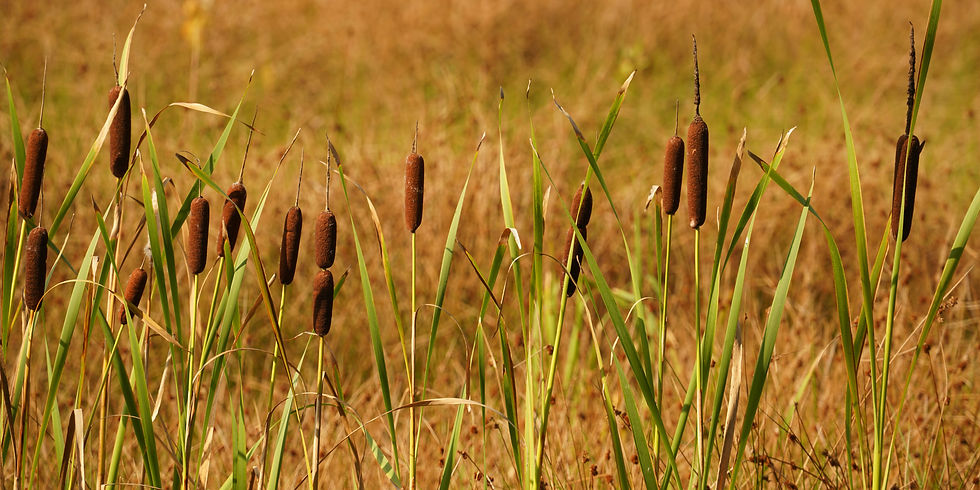
Wetlands are teeming with life, serving as vital habitats for countless species of birds, fish, insects, and plants. Many animals rely on wetlands for nesting, feeding, or breeding, making these areas essential for maintaining biodiversity. By supporting a wide range of species, wetlands also foster ecosystem health, which benefits agriculture, fishing, and other local industries.
4. Carbon Storage for Climate Mitigation
Wetlands are incredibly effective at capturing and storing carbon, making them a valuable tool in the fight against climate change. Through carbon sequestration, wetlands store carbon in their soil and plants, preventing it from being released into the atmosphere. Preserving and restoring wetlands can thus help reduce greenhouse gases, supporting global climate goals.

5. Recreational and Economic Value
Wetlands contribute to the well-being of local communities by providing spaces for recreation and tourism. Bird-watching, fishing, and hiking are popular activities in wetland areas, attracting visitors and boosting local economies. Additionally, healthy wetlands often increase nearby property values, making these ecosystems a financial asset as well as an environmental one.
6. Education and Community Awareness
Wetlands offer excellent opportunities for environmental education and engagement. Visiting a wetland can inspire curiosity and appreciation for nature, especially in children. This awareness fosters community involvement in conservation and encourages more sustainable practices. Educating people about the importance of wetlands helps create a community that values and advocates for these ecosystems.

Wetlands: A Vital Resource Worth Protecting
Wetlands provide a wealth of benefits, from water purification and flood control to biodiversity support and climate change mitigation. These ecosystems are more than just marshy areas; they’re essential for environmental and community health. Protecting and restoring wetlands not only safeguards our natural resources but also helps build a sustainable future.
Curious to learn more about how wetlands benefit Alberta and ways you can get involved? Contact us for additional information and how you can get started on a wetland project of your own!


Comments